What is Keratoconus? What are the symptoms?
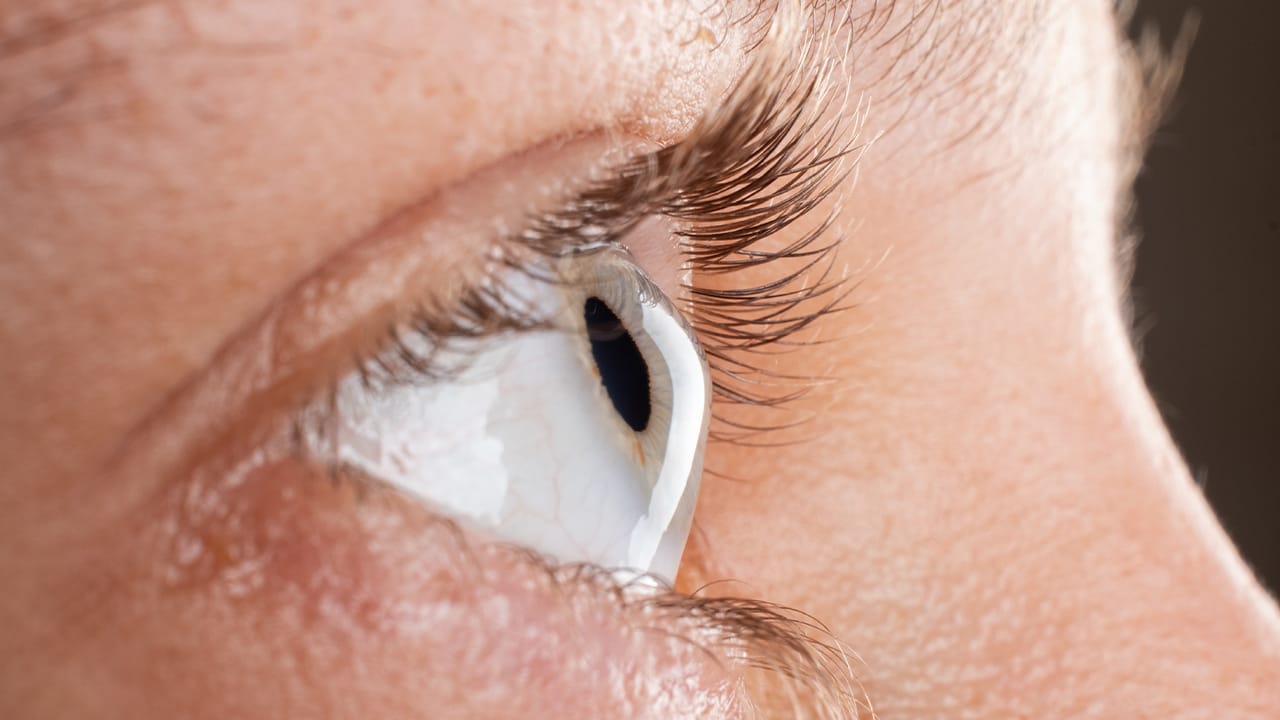
Keratoconus is a progressive eye disease that affects the structure of the cornea, causing it to thin and point forward. It usually starts at a young age and causes complaints of visual impairment over time. Although the exact cause is not known exactly, genetic predisposition and environmental factors are thought to be effective. While vision can be corrected with glasses or contact lenses in the early stages, treatment methods such as corneal cross-linking (CXL), ring placement and corneal transplantation can be applied in the advanced stages.
What is Keratoconus?
Keratoconus is a disease that manifests itself with a change in the shape of the eye as a result of deterioration in the structure of the cornea. Normally, the cornea is the transparent layer at the front of the eye and allows light to be focused clearly. In keratoconus, the cornea gradually becomes thinner and takes a conical shape; This causes the light to not be focused correctly and visual impairment. The disease usually begins at a young age and progresses over time.
Keratoconus Causes
- Genetic Predisposition — Individuals with a family history of keratoconus have a high risk of contracting the disease. Genetic mutations play an important role in disease development.
- Allergic Reactions — Allergic diseases and scratching habits can contribute to the progression of keratoconus. Constant rubbing of the eyes damages the corneal tissue.
- Rubbing the Eyes — Continuous and violent eye rubbing can damage the corneal structure and cause deformities.
- Genetic Disorders — Genetic diseases such as Down syndrome and Marfan syndrome may increase the development of keratoconus.
- Oxidative Stress — Oxidative stress, which occurs as a result of excessive accumulation of free radicals, causes chemical changes that disrupt the structure of the cornea.
- Other Health Problems — Asthma, eczema and other immune system disorders, combined with genetic predisposition, may also contribute to the development of keratoconus.
Keratoconus Symptoms
- Blurred Vision — Blurred vision, especially at long distances; It is caused by the inability of the light to focus properly due to the deformity of the cornea.
- Night Vision Challenges — Difficulty seeing at night or in low light, extreme sensitivity to light, and the appearance of halos.
- Eye Stinging and Irritation — Irritations such as stinging, itching and redness in the eyes may become more evident in later stages.
- Frequent Glasses/Lens Change — The need to change glasses or contact lenses frequently as vision impairment increases.
- Sensitivity to Light (Photophobia) — Eye discomfort under bright lights.
- Change in Breaking Strength — Corneal deformity affects the refractive power of the eye; There are frequent number changes.
- Double Vision (Diplopia) — In advanced stages, some patients may complain of double vision due to corneal damage.
- Corneal Thinning and Deformity — In later stages, the cornea gradually becomes thinner and takes a conical shape; the quality of vision worsens.
- Vision Loss — If left untreated, serious vision loss may occur in the later stages.
How is the disease diagnosed?
- Eye Examination — Visual acuity is tested and further steps are taken, taking into account the patient's complaints.
- Corneal Topography — It is the most effective diagnostic method that shows irregularities and deformities on the surface of the cornea like a map.
- Pachymetry Test — It measures the thickness of the cornea. The average thickness of the cornea decreases in keratoconus patients; It provides information about the stage of the disease.
- spectrophotometry — It determines the thickness of the cornea; It provides important data even in the early stages.
- Ophthalmology Tests — Possibilities other than keratoconus are eliminated by evaluating eye pressure, retinal health and other eye diseases.
Keratoconus Treatment
- Glasses and Contact Lens — In the early stages, glasses or soft contact lenses may be recommended. As the disease progresses, a switch to rigid gas permeable lenses may be necessary.
- Rigid Gas Permeable Contact Lenses — They are special lenses that correct corneal deformities and improve vision quality.
- Corneal Cross-Linking (CXL) — It is a treatment aimed at stopping the progression of keratoconus. Corneal bonds are strengthened using ultraviolet light and riboflavin. It does not cure the disease, but it can stop its progression.
- Corneal Implants (Intacs) — In advanced stages, micro implants are placed in the cornea to correct the deformity.
- Cornea Transplantation (Keratoplasty) — It is applied as a last resort in advanced cases that do not respond to other treatment methods. Healthy donor corneal tissue is placed in place of the patient's cornea.
- Laser Treatments — Alternative treatment methods may also be recommended to correct the corneal shape.
What Should Be Considered After Keratoconus Surgery?
- Pain Management and Medication Use — Mild or moderate pain may be felt after surgery. Painkillers and antibiotics should be used with the doctor's recommendation.
- Eye Protection — Eyes should be protected for the first few weeks. Eye rubbing and exposure to direct sunlight should be avoided.
- Sunglasses — The eye may be more sensitive to light after surgery. Sunglasses should be used when going out.
- Check-up Appointments — Regular eye exams are important to evaluate treatment success.
- First Days Without Lenses — If a corneal transplant has been performed, lens use should be avoided for the first few weeks.
- Recovery Time — Each patient's recovery is different; Some may take a few weeks, some may take months.
Frequently Asked Questions
Keratoconus cannot be completely cured, but its progression can be halted and vision loss minimized. Cross-linking and other methods control the course of the disease.
Keratoconus usually occurs in both eyes, but may be more severe in one eye.
Yes, its progression can be stopped with treatment methods such as corneal cross-linking. However, it is not possible to cure the disease completely.
It is generally safe when performed by a qualified ophthalmologist. As with any surgical procedure, there may be risks such as infection and healing problems.
Keratoconus patients often experience complaints such as blurred and double vision and difficulty in night vision. This is caused by the irregular shape of the cornea.