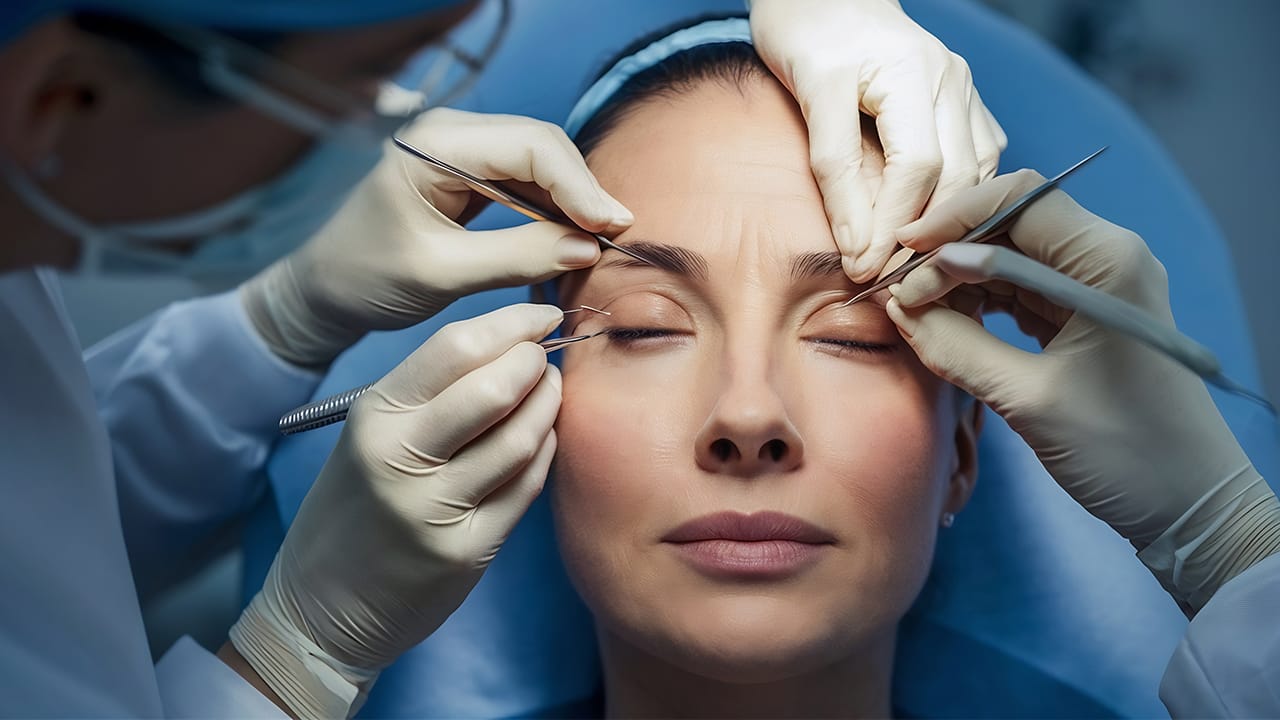
Eyelid aesthetics is a surgical procedure performed to reshape the eyelids that sag, loosen or become baggy over time due to aging, genetic factors, the effect of gravity and environmental reasons. This aesthetic operation, medically known as blepharoplasty, can be applied to both the lower and upper lids. While it rejuvenates the individual's facial expression, it also eliminates excess skin that restricts the field of vision.
What is Eyelid Aesthetics?
Eyelid aesthetics are aesthetic surgical procedures performed to correct deformations that occur in the eyelids over time. Blepharoplasty, as it is known in the medical literature, eliminates problems such as sagging, bagging, wrinkles and loss of elasticity in the eyelids. While it surgically solves droopy eyelids that narrow the field of vision, it also provides a significant renewal in facial expression. In some cases, it can be combined with brow lift procedures.
What is Eyelid Droop?
Droopy eyelid, medically known as ptosis, is a condition in which the upper eyelid is lower than normal. It can be seen in one or both eyes. While it may cause a mild aesthetic problem, in advanced cases it may also cause functional problems by restricting the field of vision. Ptosis may be congenital or may develop later (acquired); It may occur as a result of aging, nerve paralysis, trauma, muscle diseases or tumors.
- Droopy Eyelid — Drooping upper eyelid in one or both eyes.
- Eye Strain — Eye strain or trying to see with your eyebrows raised.
- Compensatory Head Position — Compensatory head positions such as throwing the head back.
- Vision Problems — Eye watering, watering or narrowing of the visual field.
What are the signs of aging in the eyelids?
- Skin Sagging — Loosening and sagging occur in the upper eyelid. Eyes look tired, droopy and aged.
- Under Eye Bags — Significant bags and swelling occur with the displacement of fatty tissue in the lower eyelid.
- Wrinkles and Fine Lines — Fine lines called crow's feet on and around the eyelids deepen over time.
- Dryness and Thinning of the Skin — As the skin loses its elasticity, it becomes drier, dull and thin; wrinkles become evident.
- Pigmentation Changes — Dark circles, discoloration or sun spots may occur around the eyes.
- Falling Eyebrows — Drooping eyebrows, along with sagging of the upper eyelid, can lead to an old and tired facial expression.
How is Eyelid Aesthetics Done?
Eyelid aesthetics is a procedure usually performed under local anesthesia. In some cases, sedation or general anesthesia may be preferred. Procedure time varies depending on whether only the upper or lower lid or both are treated.
- Upper Cover Procedure — The incision is usually made along the natural fold line. Excess skin, muscle and fat tissues are removed through this incision.
- Lower Cover Procedure — The incision is made under the eyelashes or on the inside of the eyelid. Fat deposits that cause bagging are removed or reshaped.
What are the Types of Eyelid Aesthetics?
- Upper Eyelid Aesthetics — It is the process of removing excess skin and fatty tissue on the upper lid. It both eliminates the signs of aging and solves genetic-related droopy eyelids.
- Lower Eyelid Aesthetics — Pouching and loosening of the lower lids are eliminated by blepharoplasty. If necessary, fat injection can also be performed under the eye.
- Combined Blepharoplasty — In some individuals, both upper and lower lid procedures are performed simultaneously. Eyebrow lifting can also be combined with this operation.
Who Should Have Eyelid Aesthetics?
- Individuals with Reduced Field of Vision — Those whose field of vision is limited due to droopy eyelids.
- Those experiencing bagging/swelling — Those who experience bags and swelling in their eyelids.
- Individuals Who Look Tired — Those with a tired and old expression.
- Genetic Problems — Those who have genetic eyelid problems.
- Those Who Want a Young Look — Those who want to achieve a younger and more vigorous appearance.
Eyelid Aesthetics Prices
Eyelid aesthetic prices vary depending on the scope of the procedure to be performed, the experience of the surgeon, the equipment of the clinic and the techniques used. While only the top or bottom cap treatment affects the price, combining both processes can increase the cost. If it is performed due to a functional problem (serious eyelid ptosis), it may be partially covered by private insurance. For the most accurate information, it is recommended to consult with an experienced surgeon.
Things to Consider Before Eyelid Aesthetics
- Doctor Selection and Examination — It is important to see a specialist surgeon. Sagging, bagging and general eye health in the eyelids are evaluated; Expectations and risks should be discussed openly.
- Medical History and Medications — Chronic diseases and medications used should be reported to the doctor. Blood thinning medications should be stopped 7-10 days before the operation.
- Cigarettes and Alcohol — Smoking may delay healing; It is recommended to stop smoking for at least 2 weeks before surgery. Alcohol should be stopped a few days in advance.
- Nutrition and Sleep — Healthy nutrition and adequate sleep are important for a strong immune system.
- Planning and Support — Work and social life should be organized, taking into account the postoperative rest period, and close support should be received if necessary.
Healing Process After Eyelid Surgery
Although the post-operative recovery process varies from person to person, it generally progresses comfortably and quickly. Swelling, bruising, mild pain and a feeling of tension in the eyelids are normal for the first few days. Applying cold compresses helps reduce complaints. Drops and ointments recommended by the doctor should be used regularly for the first week. Most patients can return to their daily activities after the stitches are removed within 5-7 days. Healing is largely complete within 2-3 weeks; Final results become apparent within 1-3 months.
Frequently Asked Questions
Eyelid aesthetics offers long-term results. However, as aging continues, repeat procedures may be required in the following years.
The process takes approximately 1-2 hours. It is performed under local anesthesia and patients are usually discharged on the same day.
No pain is felt during the procedure. There may be mild discomfort for the first few days after surgery; It can be controlled with simple painkillers.
Since the incisions are made along natural lines in the procedures performed by an experienced surgeon, the scars become unclear over time.
Blepharoplasty is generally a safe and effective procedure. However, as with any surgery, there may be risks such as infection, asymmetry, and temporary vision changes. The surgeon's experience and compliance with the healing process significantly reduce the risks.