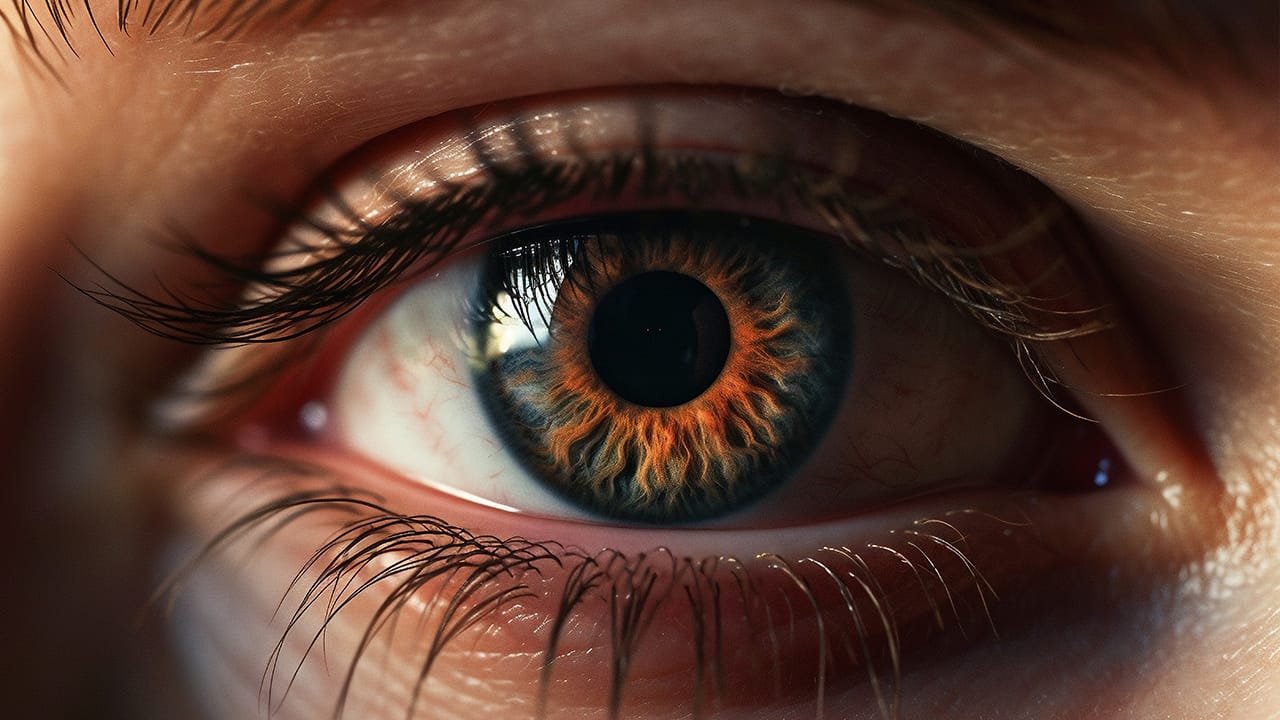
The retina is a very thin tissue located at the back of the eyeball and consists of light-sensitive cells. It plays the basic role in perceiving, processing and transferring visual data to the brain. Retinal diseases can lead to irreversible consequences if not diagnosed early and treated appropriately. Therefore, it is of great importance to know retina diseases, their symptoms and modern treatment methods.
What are Retinal Diseases?
Diabetic Retinopathy
Diabetic retinopathy occurs when small vessels in the eye become damaged due to long-term diabetes. It usually progresses slowly over years. It may not cause symptoms in the early stages; However, in later stages, it may cause complaints such as blurred vision, macular edema, sudden vision loss, light flashes and black spots. The formation of abnormal blood vessels and leakage of these vessels damages the retinal tissue. If not treated in time, it carries the risk of permanent blindness.
Age-Related Macular Degeneration (Macular Degeneration)
This disease, which is usually seen in individuals over the age of 50, affects the central part of the retina called the macula. Close-range vision abilities, especially reading and facial recognition, are severely affected. It is divided into two types: dry and wet type. In the dry type, macular cells wear out over time, while in the wet type, new blood vessels develop, causing leakage and bleeding. The wet type progresses much faster and can lead to serious vision loss.
Retinal Detachment
Retinal detachment is the separation of the retina layer from the underlying support tissue. This separation can cut off the flow of oxygen and nutrients to the retina, causing cells to die and sudden vision loss. Symptoms include flashes of light, a feeling of veil in vision, sudden loss of vision and floaters. If not treated promptly, permanent blindness may develop.
Retinal Vascular Occlusions
Blockages in the retinal vessels usually cause sudden and painless vision loss. Since circulation is impaired in the blocked vessel, fluid leaks out of the vessel and edema develops in the surrounding tissues. The most common causes include high blood pressure, high cholesterol and cardiovascular diseases.
Macular Hole
A small tear or hole may occur in the middle of the macula, usually due to age or after trauma. It is manifested by seeing straight lines as curved, decreased central vision and blurriness. If it is detected at an early stage, it can be treated successfully with surgical methods.
Epiretinal Membrane
It occurs when a thin membrane develops on the surface of the retina. This membrane can pull on the retinal tissue, causing fluctuation, image distortion, and double vision. While no treatment is required in mild cases, this membrane can be cleaned with vitrectomy in severe cases.
Symptoms of Retinal Diseases
- Vision Decreased — Sudden or gradual decrease in vision.
- Flying Objects — Black dots or "floaters" in the visual field.
- Flashes of Light — Sudden flashes of light in the eyes.
- Curtain/Shadow Sensation — Darkening or shadowing in part of the visual field.
- Color Disorders — Faint or confused colors.
- Crooked/Wavy Image — Straight lines appearing curved or wavy.
- Reading Difficulty — Reading difficulties and inability to recognize faces.
Diagnosis of Retinal Diseases
- Eye Examination — The pupil is dilated with drops and the retina is examined in detail; Vessels, nerve layers and the macular region are observed.
- Optical Coherence Tomography (OCT) — It provides detailed and cross-sectional images of the retina layer. It provides information about macular edema, holes, membrane formation and degenerative changes.
- Fluorescein Angiography — Thanks to the special dye administered intravenously, the retinal vascular structure is visualized. Leaky veins, new blood vessels, and circulatory disorders can be detected.
Treatment Methods of Retinal Diseases
Laser Treatment
It is especially used in diabetic retinopathy and retinal tears. The progression of the disease can be stopped by closing the areas on the retina that are at risk of bleeding or leaking with a laser. Areas at risk of retinal detachment can also be fixed with laser.
Intraocular Needling (Anti-VEGF Injections)
This method, which is used in macular edema, age-related macular degeneration and diabetic retinopathy, involves the injection of special drugs into the retina. These drugs suppress abnormal vascular formation and reduce fluid accumulation on the retina.
Vitrectomy Surgery
It is a surgical procedure performed by removing the vitreous gel inside the eye and replacing it with transparent liquids, gas or silicone oil. It is preferred in cases of retinal detachment, macular hole, bleeding and membrane formations. Thanks to modern vitrectomy devices, the procedure has become more comfortable and successful.
Photodynamic Therapy
A special light-sensitive drug is administered intravenously to target abnormal vessels on the retina. This drug is then activated with a low-intensity laser and affects only the diseased vessels without damaging healthy tissues.
Rehabilitation and Assistive Visual Supports
In advanced stage retinal patients, vision may not be completely restored. In this case, the patient's quality of life can be improved with special glasses, magnifiers and visual rehabilitation training.
Frequently Asked Questions
The majority of retinal diseases diagnosed early can be treated with methods such as laser, anti-VEGF injection or vitrectomy. In advanced cases, although vision cannot be completely restored, its progression can be stopped.
Yes. Retinal detachment is a condition that requires emergency surgery. Delay may lead to permanent vision loss or blindness. If you experience symptoms such as flashes of light, floaters or curtain sensation, you should consult an ophthalmologist without delay.
Regular control of blood sugar, regular eye examinations and a healthy lifestyle reduce the risk of diabetic retinopathy. It is recommended that people diagnosed with diabetes have an eye examination at least once a year.
There is no definitive treatment yet for the dry type; However, vitamin supplements may slow the progression. For the wet type, vision loss can be significantly controlled with anti-VEGF injections and photodynamic therapy.
Eye examination, Optical Coherence Tomography (OCT) and fluorescein angiography are the main diagnostic methods. Thanks to these methods, the disease can be detected at a very early stage.