What is Non-Surgical Eyelid Aesthetics? How To?
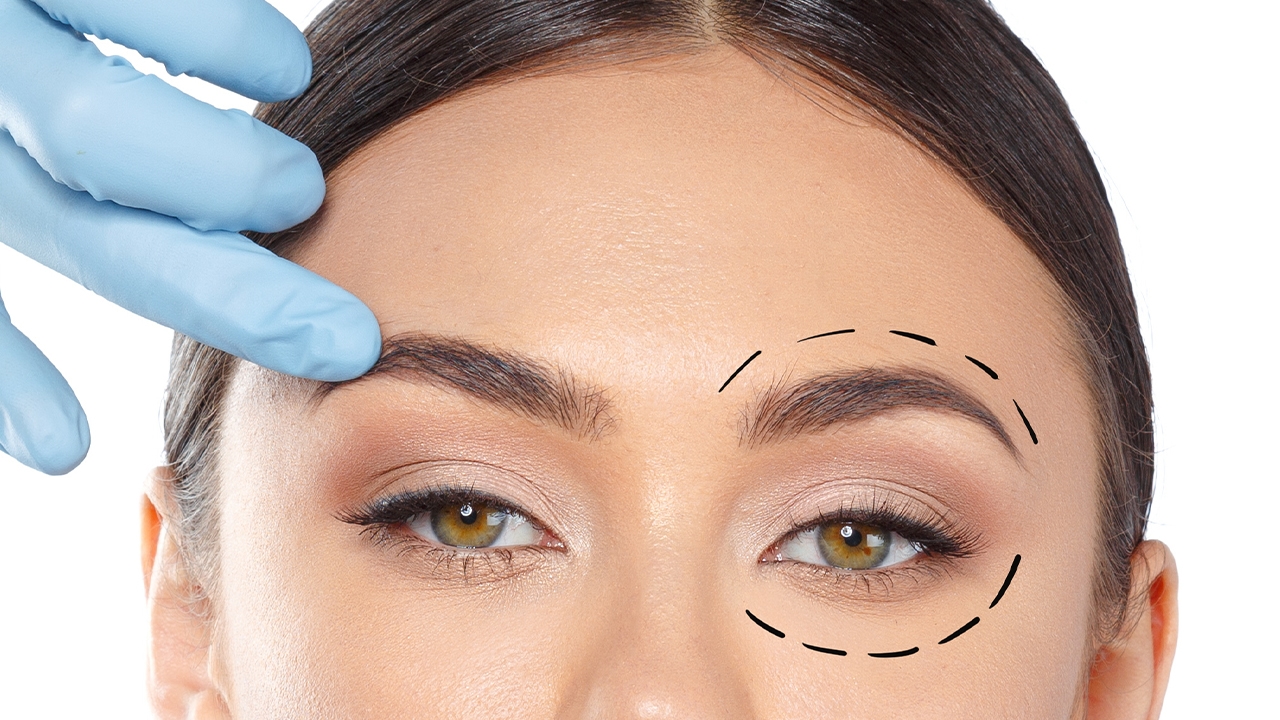
Non-surgical eyelid aesthetics refers to a series of applications that do not require surgical intervention to reduce the signs of aging around the eyes. This aesthetic procedure aims to correct sagging, bagging, wrinkles and sagging skin on the eyelid. Non-surgical methods are generally minimally invasive and allow patients to return to their normal lives quickly. Eyelid aesthetics offers a painless and short recovery period as an alternative to traditional surgeries such as blepharoplasty.
What is Non-Surgical Eyelid Aesthetics?
Non-surgical eyelid aesthetics are applications that aim to reduce the signs of aging around the eyes, without the need for surgical intervention. These methods, used to correct problems such as drooping eyelids, bags and wrinkles, are generally minimally invasive. It is applied under local anesthesia with various techniques that affect the muscle and fatty tissues under the skin. A younger and livelier appearance is achieved through procedures such as eyebrow lifting and removal of under-eye bags. It is an ideal choice for those who want to avoid surgery or speed up the healing process.
How to Perform Non-Surgical Eyelid Aesthetics?
Non-surgical eyelid aesthetics can be performed by several different methods. The most popular methods include fillers, needle brow lifts, laser treatments and non-invasive techniques such as ultherapy. These procedures are very effective for correcting wrinkles around the eyes, removing under-eye bags and solving sagging problems. The procedures are performed under local anesthesia and patients can immediately return to their daily activities after the procedure. With filler applications, sagging in the lower lids can be corrected by adding a new filler material instead of the fatty tissues under the eyes. After non-surgical eyelid aesthetics, patients usually experience a rapid recovery process; swelling and bruising are minimal.
What are the Types of Non-Surgical Eyelid Aesthetics?
- Filler Application (Hyaluronic Acid) — It is one of the most frequently preferred methods. Bags and sagging in the lower eyelid are corrected with hyaluronic acid filler. Filling compensates for the loss of volume around the eyes and provides a more youthful appearance.
- Ultherapy — It is a method that revitalizes and tightens the skin with sound waves. Sagging upper eyelids can be treated with this technique. It reaches under the skin around the eyes, stimulating collagen production and tightening the eyelid.
- Eyebrow Lift — It reduces sagging around the eyes and provides a clearer eye appearance. It is a minimally invasive procedure performed with a needle and is performed under local anesthesia.
- Laser Treatment — These are laser treatments to compensate for the loss of elasticity under the skin. The laser reduces sagging by increasing collagen production under the skin.
What Causes Eyelid Drooping?
Eyelid drooping (known medically as "ptosis") is the position of the upper eyelid lower than normal and can affect the visual field as well as the aesthetic appearance. This condition may occur in one eye or both eyes.
- Aging — It is the most common cause. Over time, the muscles and connective tissues around the eyes weaken and loss of elasticity occurs. Fat tissues under the skin decrease and the eyelid becomes looser.
- Genetic Factors — Congenital genetic characteristics may cause eyelid sagging. It is more likely to occur in individuals with a family history of droopy eyelids.
- Nerve and Muscle Diseases — Weakening of the levator muscle that lifts the eyelid or decreased nerve impulses may cause ptosis. Neurological diseases such as myasthenia gravis and third cranial nerve palsy can cause this condition.
- Trauma and Surgeries — Impacts to the eye or the area around the eye can cause muscle or nerve damage, causing the eyelid to droop. Previous eyelid surgery or other surgeries may also trigger this condition.
- Contact Lens Use — Long-term contact lens wear can weaken the muscles that pull the eyelid up, causing sagging over time.
- Allergies and Eye Diseases — Chronic eye allergies, constant rubbing and eye irritation can cause changes in the eyelid structure, causing sagging.
- Tumors and Masses — Masses on the eyelid or around the eye can prevent the normal movement of the eyelid and cause drooping.
Who Can Have Non-Surgical Eyelid Aesthetics?
Non-surgical eyelid aesthetics is especially suitable for patients who do not want surgical intervention or who want to speed up the recovery process. It is generally recommended for people aged 30 and over who are starting to show signs of aging around the eyes. Since it is minimally invasive, it is an ideal alternative for those who are afraid of major surgery. It can also be preferred for people who have fine wrinkles around the eyes or age-related skin sagging, but cannot spare much time.
Non-Surgical Eyelid Aesthetics Prices
Non-surgical eyelid aesthetic prices may vary depending on the method used, the area to be treated and the level of expertise. While procedures such as filler applications and eyebrow lifting are generally performed at more affordable prices, technological methods such as ultherapy may be slightly more expensive. Prices vary depending on the type of products used and application time; It is more economical compared to surgical methods. It is recommended to consult a specialist doctor for exact price information.
Healing Process After Non-Surgical Eyelid Aesthetics
- First 24 Hours — Mild swelling, redness or bruising may occur. Ice application helps reduce swelling. Care should be taken not to put pressure on the treated area and to protect it from the sun.
- First Week — Swelling and bruising are greatly reduced. Most patients can return to normal life a few days after the procedure.
- First Month — The eye area gains a tighter and younger appearance. Collagen production increases and skin elasticity improves. Post-procedure effects usually last between 6 months and 1 year.
- Things to Consider — Sunlight should be avoided and high factor sunscreen should be used. Physical activities should be avoided for a few days and no pressure should be applied to the area.
Frequently Asked Questions
Non-surgical eyelid surgery is generally painless. Since local anesthesia is applied, no pain is felt during the procedure. There may be a slight feeling of discomfort after the procedure, but this usually passes in a short time.
Non-surgical eyelid aesthetics usually offers temporary results. Depending on the treatment applied, its effects last between 6 months and 1 year. Surgical methods may be preferred for permanent results.
The healing process varies depending on the method applied. Fillers and laser treatments usually heal within a few days; The effects of methods such as ultherapy appear within a few weeks.
Those who do not want surgical intervention, those who are 30 years old and over and those who show signs of aging, and those who have eyelid sagging or bagging problems can benefit from this application.
Aging, genetic factors, nerve and muscle diseases, trauma, long-term contact lens use, chronic allergies and masses around the eyes are among the main causes of eyelid sagging.