What is Allergic Conjunctivitis? How is it treated?
Allergic conjunctivitis is an excessive immune response of the eye surface to allergens such as pollen, house dust mites or animal dander. Allergic conjunctivitis manifests itself with the itching-redness-watering trio; There are seasonal or year-round types. Allergic conjunctivitis is diagnosed by biomicroscope examination and, when necessary, specific IgE tests. Allergic conjunctivitis is controlled by first limiting allergen contact and then regular use of artificial tears and antihistamine-mast cell stabilizing drops. Allergic conjunctivitis may need short-term topical steroids or immunomodulating drops in severe attacks; Close follow-up is essential in special forms such as vernal keratoconjunctivitis. Allergic conjunctivitis is alleviated by applying cold compresses at home, changing pillowcases frequently, and using a HEPA filter vacuum cleaner. Allergic conjunctivitis is not contagious, but constant eye rubbing increases the risk of keratoconus; itching should be restrained with drops. Allergic conjunctivitis is a manageable eye surface disorder that makes it possible to maintain quality of life through regular ophthalmologist check-ups, allergen avoidance measures and disciplined drop therapy.
What is Allergic Conjunctivitis?
Allergic conjunctivitis is the inflammation of the transparent membrane (conjunctiva) that covers the white part of the eye and the inner surface of the eyelids after contact with allergens. Pollen, house dust mites, animal dander or chemical vapors trigger immune cells in the conjunctiva; Histamine released from mast cells initiates the itching - redness - watering triad. While seasonal attacks usually accompany pollen density in spring and autumn, perennial (year-round) attacks are due to indoor allergens. It is more common in children and individuals with atopic dermatitis or allergic rhinitis and can significantly reduce the quality of life.
Types of Allergic Conjunctivitis
Allergic conjunctivitis is divided into four basic clinical types. The seasonal form is accompanied by short-term but severe itching; In the perennial form, the symptoms are milder but permanent. The giant papillary form develops as giant blisters in people who wear hard contact lenses or dentures. Vernal keratoconjunctivitis is a chronic, sometimes sight-threatening, severe type seen in young people, especially boys. Each subtype requires different drop protocols and follow-up intervals in the treatment plan.
Allergic Conjunctivitis Symptoms
- Itching — Intense itching is the first signal in an allergic conjunctivitis attack; Microscopic damage increases as patients rub their eyes.
- Watering and Runoff — During allergic conjunctivitis, watering and clear, stringy discharge cover the surface of the eye.
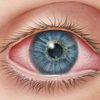
- redness — Redness is common in allergic conjunctivitis lesions; veins become evident.
- Sensitivity to Light — Allergic conjunctivitis may cause light sensitivity and blurred vision in advanced stages.
- Giant Papillary Bump — Allergic conjunctivitis, especially in the vernal type, creates a giant papillary swelling under the upper lid.
Causes of Allergic Conjunctivitis
Allergic conjunctivitis begins with the IgE-mediated overreaction mechanism of the immune system. Pollen spores adhere to the conjunctiva by wind in spring; House dust mites live in pillows, carpets and plush toys all year round. Proteins found in pet dander, irritating particles in cigarette smoke, and chlorine in swimming pools weaken the epithelial barrier and increase mast cell sensitivity. A current history of allergic rhinitis, bronchial asthma, or atopic dermatitis makes the eye surface more vulnerable to histamine release.
Diagnosis of Allergic Conjunctivitis
The diagnosis of allergic conjunctivitis is often made by detailed history and conjunctival examination with a biomicroscope. Papillary appearance on the lower surface of the eyelids, clear watery discharge and significant vascular dilatation are typical. In suspected cases, prick testing or specific IgE immunoassays can be used to identify the responsible allergen. In atypical cases, viral-bacterial conjunctivitis, uveitis or keratitis should be excluded.
How to Treat Allergic Conjunctivitis?
Allergic conjunctivitis treatment is based on reducing allergen exposure and suppressing inflammation on the surface of the eye. First step; staying away from pollen, washing home textiles at 60 °C, using a HEPA filter vacuum cleaner and avoiding environments with smoke. In the pharmacological approach, artificial tear drops dilute allergen particles, and cold compress temporarily narrows histamine-induced vasodilatation. Long-acting antihistamine–mast cell stabilizer drops (olopatadine, ketotifen) rapidly reduce itching when used twice a day. If the complaint is severe, short-term topical steroid support is given; In severe forms such as vernal keratoconjunctivitis, cyclosporine A drops or tacrolimus ointment may be required. Daily soft lenses are considered appropriate instead of hard contact lenses in giant papillary form, and lens hygiene is taught meticulously.
Preventive Tips
To reduce the frequency of allergic conjunctivitis, follow the pollen counter, reduce the time spent outside on windy days, and use sunglasses with a shield. Keep a pollen filter in the air conditioner; Change the filter at the beginning of the season. If you are allergic to cat or dog dander, do not allow your pet in the bedroom and wash it once a week. Completely drain and refresh your lens solution with each refill; “Adding on top” leads to infection and allergen accumulation.
Frequently Asked Questions
No, unlike viral and bacterial conjunctivitis, it does not pass from person to person.
Antihistamine drops reduce itching within minutes; However, regular use is required for complete relief.
Prescription glasses should be preferred instead of contact lenses until the complaints improve.
Plush toys should be limited in the children's room, and dust-repellent curtains and bedding should be chosen. The dose of drops is adjusted under the supervision of a doctor.