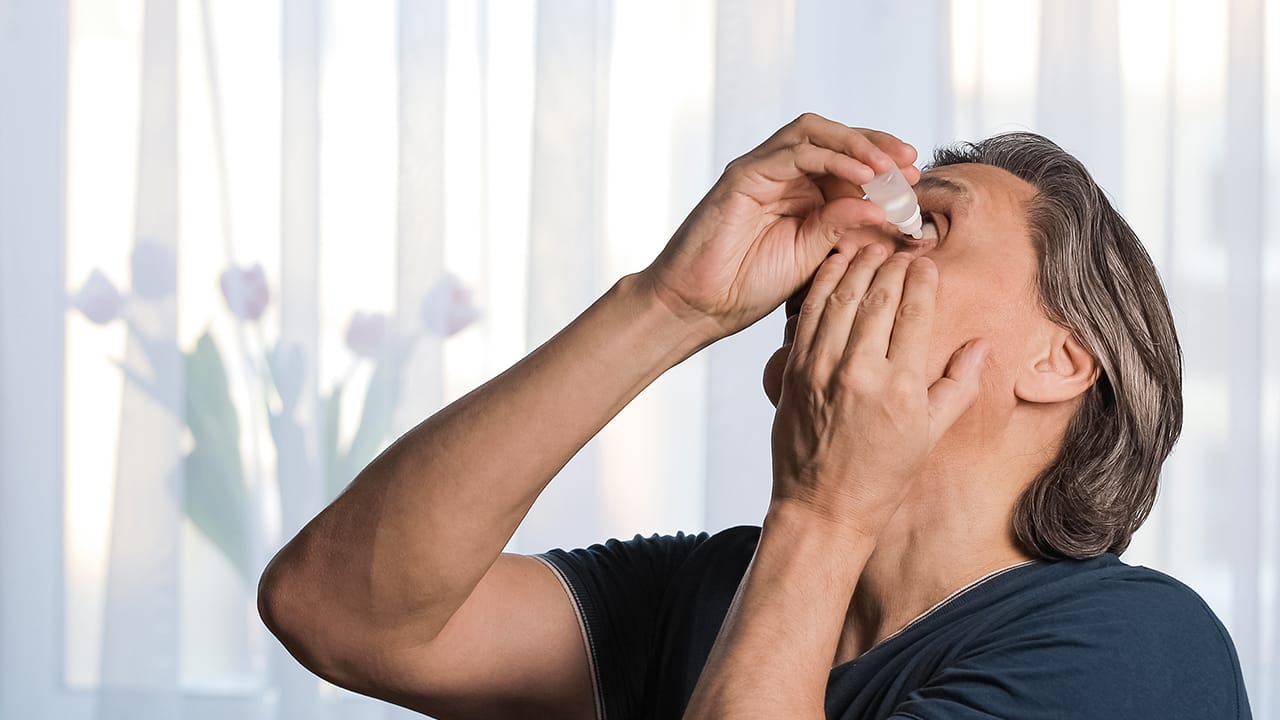
What Causes Dry Eye? Treatment and Symptoms
Dry eye is a more common eye problem due to increased use of digital screens, environmental factors and modern living habits. It occurs as a result of insufficiency or deterioration of the quality of tears, which are responsible for keeping the eye surface moist. If left untreated, it can become chronic and cause serious eye diseases.
What is Dry Eye?
Dry eye occurs when there is a disruption in the production or balance of the tear film on the eye surface. Tears; It ensures that the eye surface remains moist, protected from infections and provides clarity of vision. The tear film consists of three main layers: oil, water and mucus. When there is a deficiency in any of these layers, tears evaporate and moisture on the surface of the eye decreases. The disease is also called "dry eye syndrome" or "keratoconjunctivitis sicca" in the field of ophthalmology.
Dry Eye Symptoms
- Stinging/Burning — Stinging, burning and discomfort in the eyes are the most common symptoms.
- Paradox Watering — Ironically, eye watering may occur; The body may produce excess tears in response to a lack of tears.
- Feeling of Dryness/Tightness — Feeling of dryness and tightness in the eyes.
- Sensitivity to Light — Photophobia (sensitivity to light).
- Blurred/Wavy Vision — Blurred or wavy vision.
- Heaviness in Eyelids — Feeling of heaviness in the eyelids.
- redness — Redness around the eyes.
- Pain on Long Stay Open — Pain that increases when the eye is kept open for a long time.
What Causes Dry Eye?
The causes of dry eyes are generally examined under two main headings: decreased tear production and rapid evaporation of tears.
Decreased Tear Production
- Aging — As we age, the function of the tear glands weakens.
- Sjögren's Syndrome — It is an autoimmune disease and affects the tear and salivary glands.
- Vitamin A Deficiency — It can reduce tear production, causing dryness.
- Hormonal Changes — Production may decrease, especially in women during menopause.
- Some Medicines — Antihistamines, antidepressants, blood pressure medications, and birth control pills can reduce tears.
Rapid Evaporation of Tears
- Environmental Factors — Wind, low humidity, air conditioning and cigarette smoke.
- Using Digital Display — The number of blinks decreases; This increases evaporation.
- Eyelid Problems — If the eyelids do not close properly, they cannot protect the eye surface.
- Contact Lens Use — It irritates the eye surface and triggers dryness.
- Not Using Sunglasses — Increases exposure to wind and light.
What are the Types of Dry Eye?
- Dry Eye Due to Lack of Tears — The tear glands cannot produce enough tears. Aging, autoimmune diseases (Sjögren's syndrome), vitamin A deficiency and some medications are the main causes.
- Dry Eye Due to Excessive Evaporation — Even if sufficient tears are produced, the eye surface remains dehydrated due to rapid evaporation. Meibomian gland dysfunction is associated with environmental factors, prolonged screen time and inadequate blinking.
- Mixed Type Dry Eye — It is a condition where both types occur together and requires a more complex treatment process.
Who Gets Dry Eye Most Commonly?
- Advanced Age Group — The risk increases as tear production decreases over the age of 50.
- Women — It is more common due to hormonal changes (especially menopause).
- Contact Lens Users — Long-term use of lenses irritates the eye surface and increases dryness.
- Digital Display Users — Staring at the screen for a long time reduces the number of blinks.
- Employees Working in an Air-Conditioned Environment — The dry air environment causes the moisture on the surface of the eye to decrease.
- Those with Autoimmune Diseases — Diseases such as Sjögren's syndrome and rheumatoid arthritis can damage the tear glands.
- Some Drug Users — Medications such as antihistamines and antidepressants can affect tear production.
Precautions That Can Be Taken Against Dry Eyes
- 20-20-20 Rule — Every 20 minutes, step away from the screen and look 20 feet (6 m) away for 20 seconds; Blink frequently.
- Ambient Humidity — Using a humidifier in dry environments reduces evaporation.
- Sunglasses — Wearing sunglasses outside protects from wind and UV rays.
- Avoid Cigarette Smoke — Tobacco smoke irritates the eye surface and increases dryness.
- Adequate Fluid Consumption — Drinking enough water daily supports tear production.
- Nutrition — Foods containing omega-3 and vitamin A (fish, carrots, green leafy vegetables) support tear production.
- Contact Lens Caution — Avoid long-term use of lenses and do not wear lenses without a doctor's advice.
- Artificial Tears — Artificial tears used with the recommendation of a doctor can reduce the effects of dryness.
Dry Eye Treatment
- Artificial Tear Drops — It is the most commonly used first-line treatment. Preservative-free forms are preferred for long-term use.
- Tear Duct Plugs — It prevents tears from flowing into the nasal passage, allowing them to stay in the eye longer. It is especially effective in patients with low production.
- Anti-Inflammatory Drops — If there is inflammation, treatment can be done with drops containing corticosteroids or cyclosporine; It increases production by reducing inflammation of the tear glands.
- Lifestyle Changes — Frequent blinking in front of the screen, use of sunglasses, increasing ambient humidity and staying away from cigarette smoke.
- Supplements and Nutrition — Supplements containing omega-3 fatty acids may improve tear quality. If there is vitamin A deficiency, it should be supplemented.
Drops for Dry Eyes
The most commonly preferred method in the treatment of dry eyes is artificial tear drops and eye gels. In mild cases, low-intensity artificial tear drops are recommended. In advanced cases, drops with a dense consistency containing hyaluronic acid are preferred. Steroid drops come into play in complaints of burning, stinging and redness that persist despite artificial tears; However, these drops must be used under the supervision of a doctor. If the underlying cause is inflammation, drops containing cyclosporine can be applied, and in cases of dryness caused by blepharitis, antibiotic drops can be applied. The entire treatment plan should be determined individually by an ophthalmologist.
Frequently Asked Questions
Artificial tear drops, omega-3 supplements, reducing screen time and using sunglasses are among the methods that are good for dry eyes.
The most common causes include long-term use of digital screens, aging, vitamin A deficiency, environmental factors (air conditioning, wind) and some medications.
If left untreated, serious complications such as permanent damage to the surface of the eye, infection, corneal ulcers and vision loss may occur.
Some herbal teas (chamomile, for example) can be soothing; However, alternative methods should not be used without doctor's approval.
Vitamin A and omega-3 fatty acids protect eye health by supporting tear production.