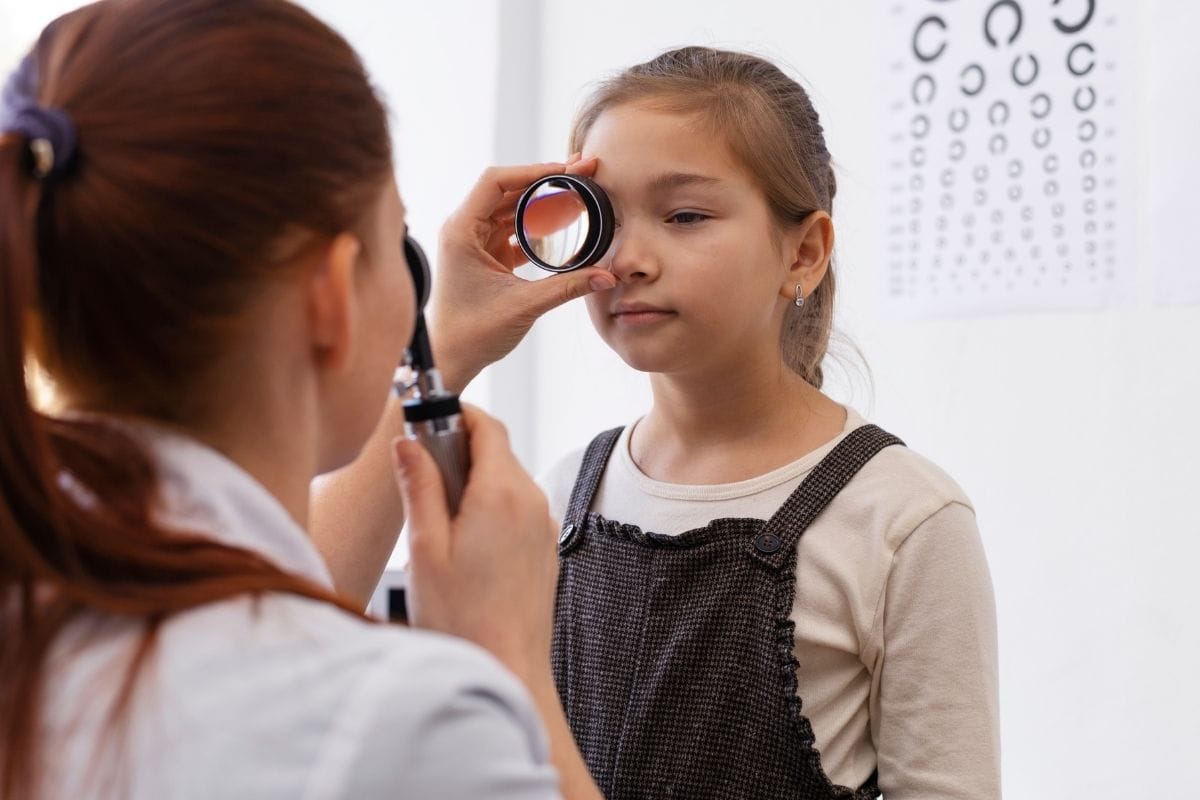
Approximately 80% of children's learning about the world occurs through the sense of sight. Children often fail to recognize or express vision problems; They may think blurred vision is 'normal'. That's why regular eye exams are vital.
When to Visit a Pediatric Ophthalmologist?
Ideal routine check-ups: They should be done immediately after birth, in the first 6 months, around the age of 3 and just before starting school. Problems detected early increase treatment success to over 90%.
How to Understand Eye Distortion in Children?
It is a condition in which both eyes cannot focus on the same point at the same time. Inward shifting (esotropia) is usually noticed in infancy, and outward shifting (exotropia) is more noticeable in tired moments. The treatment plan may include glasses, occlusion therapy, or surgery.
Eye Redness and Infection in Children
In bacterial infection, intense yellow-green burrs are observed, antibiotic drops may be required. Allergic infection is accompanied by intense itching, watery discharge and sneezing. Contagious viral infections spread rapidly in the school and nursery environment.
What Causes Under-Eye Dark Circles in Children?
The most common causes are genetic predisposition and allergic rhinitis (hay fever). Nasal congestion causes blood to pool in the vessels around the eyes. Iron deficiency anemia and insufficient fluid consumption are also factors that make the bruise more pronounced.
Vision Symptoms That Affect School Success
- Desire to watch television very closely
- Getting bored easily while reading a book or doing homework
- Constant eye rubbing and frequent blinking
- Coming home from school with a headache
- Skipping lines or following with fingers while reading
Frequently Asked Questions
At what age should children have an eye examination?
Ideally, an examination should be performed after birth, at the 6th month, at the 3rd age and before the start of school (5-6 years). In case of doubt, immediate action should be taken.
When are under-eye circles a concern in children?
If there are signs of allergy or anemia, if the color becomes darker, or if parents are worried, a blood test and eye examination should be performed.
Does screen use cause myopia in children?
Yes. Intensive close-range screen use can accelerate the development of myopia. More than 2 hours of screen time per day is not recommended; Time spent outdoors slows the progression of myopia.