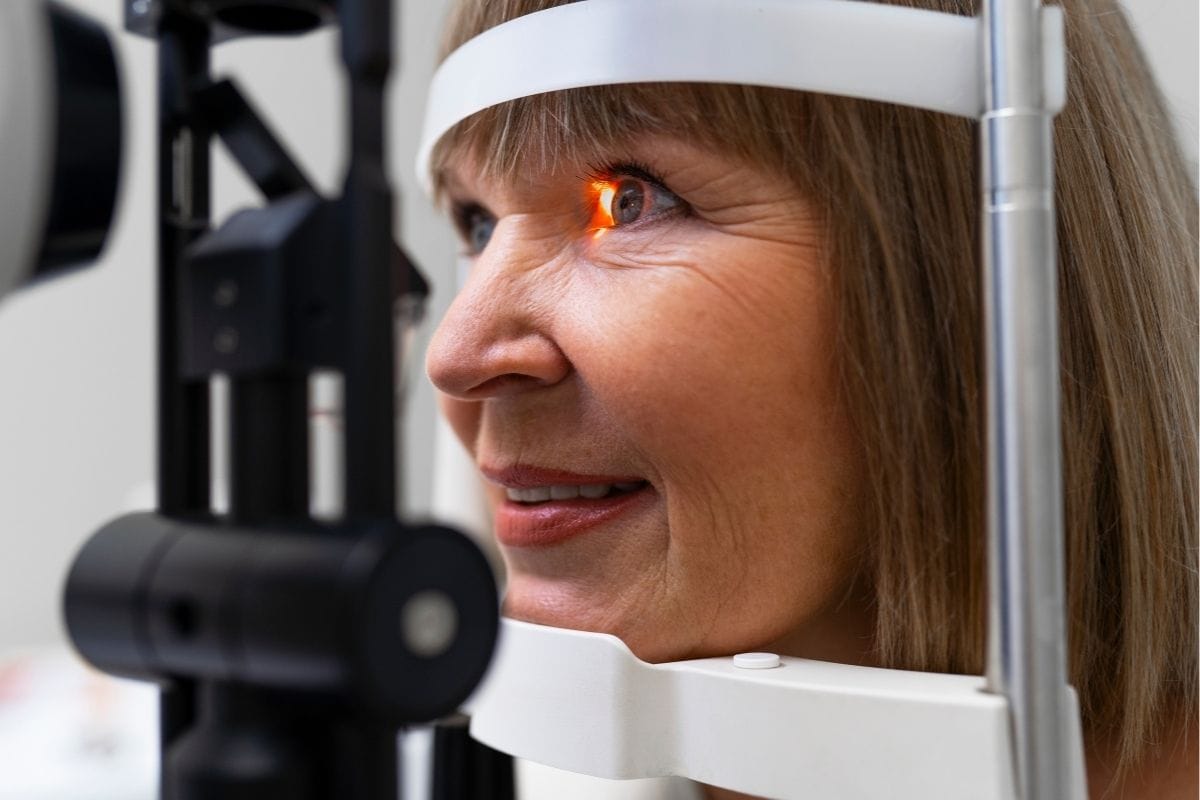
Eye angiography, known as Fundus Fluorescein Angiography (FFA) in the medical literature, is an advanced imaging method used to examine the vascular structure and nerve layer at the back of the eye in detail.
What is Eye Angiography?
Eye angiography is a photo-taking process using a special dye to examine the structure of the fundus (retinal) vessels, whether there are leaks and blood circulation. When the dye called "fluorescein" administered through the arm vein mixes with the bloodstream and reaches the eye veins, photographs are taken one after the other with cameras with special filters. This procedure reveals capillary damage and subretinal leaks that cannot be seen during standard examination.
By examining this map, physicians determine where the vessels are blocked, where they are bleeding, or where new and unhealthy vessel formations have begun. In this way, it is decided whether laser treatment or intraocular needle treatments are required.
Why is eye angiography performed?
Eye angiography; It is performed in diabetic retinopathy, macular degeneration, retinal vascular occlusions, intraocular tumors and unexplained vision decreases. It is the most reliable method for detecting capillary leaks and ischemic areas in eye damage caused by diabetes.
How is Eye Angiography Done?
The process of eye angiography begins by dilating the patient's pupils with drops. The patient sits in front of the device and fluorescein dye is injected through a vascular access in his arm. The dye reaches the eye vessels within seconds and the doctor takes serial photographs using special cameras. The patient does not feel any pain during the procedure.
- Preparation: Drops are instilled to dilate the pupils, the effect time is 15-30 minutes.
- Establishing vascular access: 2-3 minutes
- Shooting time: Applying the paint and taking the photos takes approximately 5-10 minutes.
- Total time: The time the patient will spend in the clinic is between 45 minutes and 1 hour.
Things to Consider After Eye Angiography
It is normal for the skin color to turn slightly yellow and the urine color to turn dark orange-yellow, depending on the dye given after the procedure. It is important to drink plenty of water because the dye is excreted through the kidneys. Blurred vision and sensitivity to light continue for 4-6 hours as the pupils are dilated; Therefore, the car should not be driven and sunglasses should be worn.
What is the Price of Eye Angiography?
Eye angiography price; It varies depending on the device technology used, the institution's SSI/private insurance agreements, and whether additional procedures are performed. For exact price information, it is necessary to contact the patient consultancy unit of the healthcare institution where the procedure will be performed.
Frequently Asked Questions
Is eye angiography painful?
No. The patient does not feel any pain during the procedure; only notices the bright light of photo flashes.
Can I drive after angiography?
No. As the pupils are dilated, near vision impairment continues for 4-6 hours. It is dangerous to drive after the procedure; It is recommended that you come with a companion if possible.
Is the injected dye harmful?
Fluorescein dye is not radioactive and is completely eliminated from the body within 24-48 hours. Change in urine color is not something to be afraid of.