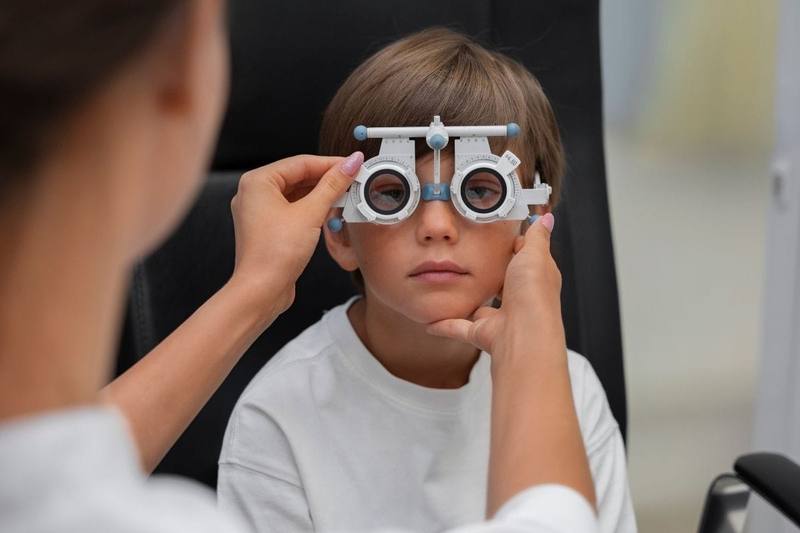
Consultation means obtaining the opinion of another specialist during the patient's diagnosis or treatment process. Consultation in eye diseases is of great importance, especially in complex and multifaceted cases.
Why is Consultation Done in Eye Diseases?
- Increasing the accuracy of diagnosis
- Evaluating and comparing treatment options
- Conducting risk analysis before surgical planning
- Determining the most accurate road map with a joint decision between experts
In Which Situations Is Consultation Necessary?
- Unexplained vision loss
- Double vision or vision disorders caused by the optic nerve
- More than one area affected after trauma
- Diabetic retinopathy cases
- Accompanying retinal or glaucoma diseases before cataract surgery
- Suspicion of sudden increase in pressure in the eye (glaucoma crises)
- Strabismus in children and suspicious situations regarding visual development
Tests Used in the Consultation Process
- fundus examination
- OCT retinal tomography
- corneal topography
- visual field test
- Nerve fiber analysis
- Eye pressure measurement
Benefits of Consultation to the Patient
- Increased chance of reaching the correct diagnosis
- Unnecessary treatments are avoided
- Treatment is planned more accurately by consensus between experts.
- The treatment process is accelerated and the results are more efficient
- The patient feels safer
Frequently Asked Questions
Do I need to make a separate appointment for consultation?
It varies depending on the structure of the hospital. At First Eye Hospital, all consultations are performed within the same hospital, eliminating the need for the patient to go to different centers.
Does consultation prolong the treatment process?
On the contrary, it speeds it up. Making a correct diagnosis and determining the appropriate treatment at an early stage saves time and resources in the long run.
Is consultation necessary for every eye complaint?
It is not necessary in every case. However, in eye diseases that are complex, unexplained or involve more than one branch, consultation significantly increases the success of treatment.