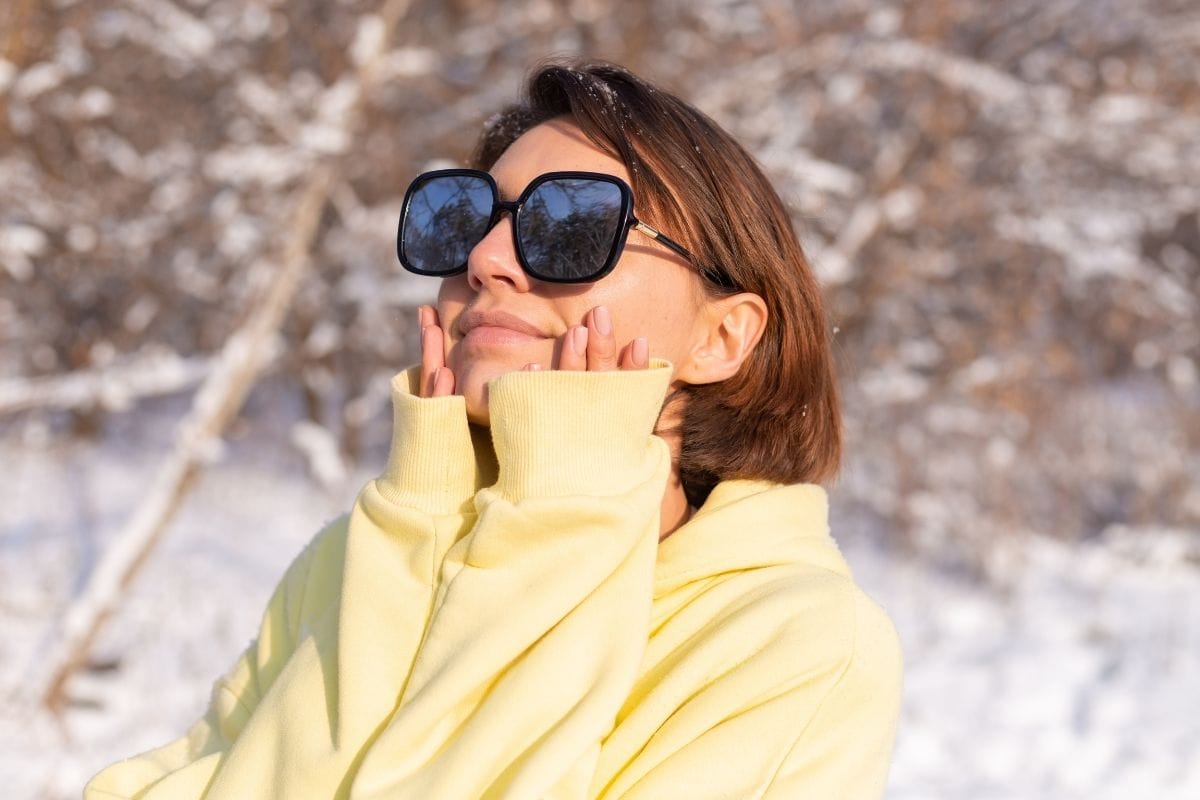
Although eye health often comes to mind in the summer months, winter is one of the riskiest periods for the eyes. Cold weather, shiny snow surfaces, low sun angle and wind; It can cause eye irritation, UV damage and serious illness.
UV Rays Do Not Reduce in Winter
The harmful UV effect of sunlight does not disappear depending on the season. UVB rays easily penetrate clouds in winter. Snow reflects up to 80% of UV rays. This causes the eyes to be double exposed to UV during the winter months. Long-term UV contact; It can cause conditions such as cataracts, macular degeneration and corneal damage.
What is Snow Blindness? (Photokeratitis)
Snow blindness, which is common in people doing winter sports, is a corneal burn caused by intense UV rays reflected from the snow surface. Symptoms: light sensitivity, stinging, redness and blurred vision. Sunglasses with UV filters largely prevent snow blindness.
Wind and Cold Increase Eye Dryness
During the winter months, cold weather and wind quickly evaporate the tear film. This can cause problems such as dry eyes, burning and stinging. Sunglasses reduce evaporation by protecting the eye surface from wind.
The Sun is Lower in Winter
Because the sun is lower in the sky in winter, light falls directly at eye level. Glare increases especially in the morning and evening hours. This situation both increases eye fatigue and poses a serious risk in traffic. Polarized sunglasses reduce glare, increase contrast and are important for safe driving in winter.
Which Sunglasses Should Be Preferred?
- Glasses with 100% UVA + UVB filter
- polarized glass
- Frame that covers the wind from the sides
- Shockproof material (especially for winter sports)
Frequently Asked Questions
Should sunglasses be worn in cloudy weather in winter?
Yes. Clouds only partially filter UV rays. UV reflected from the surface of snow can cause serious eye damage, even in cloudy weather.
Do sunglasses protect all eyes?
Only CE approved or UV400 standard glasses provide real UV protection. Cheap and unapproved glasses can enlarge the pupil, allowing more UV penetration.
Should children also wear sunglasses in winter?
Yes. Since children's eye lenses are more transparent than adults, UV rays reach deeper. The use of UV protected glasses is especially recommended for children.