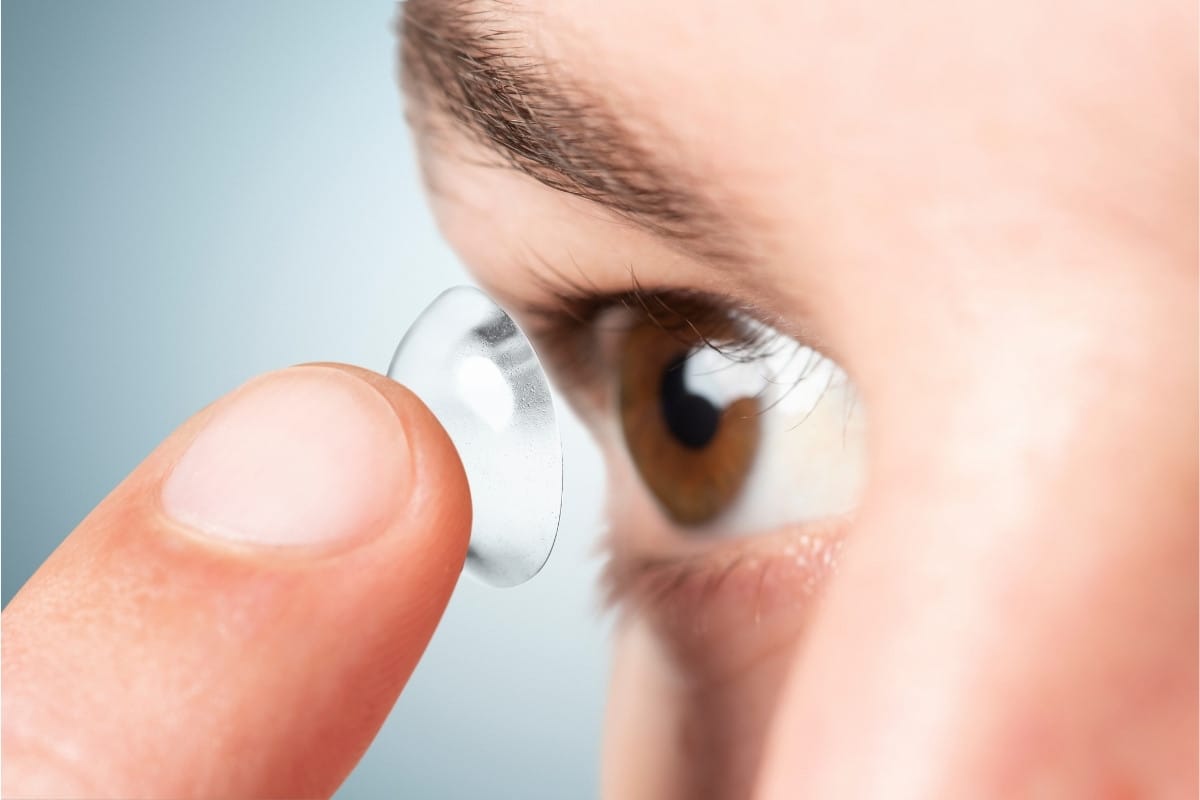
Contact lenses are thin lenses used to correct refractive errors such as myopia and hyperopia. These products, which improve the quality of life, can pose serious threats to eye health when used incorrectly.
What is Contact Lens?
They are prosthetic medical devices that are placed on the transparent layer of the eye called the cornea and correct refractive errors. Lens types: Spherical lenses (for myopia and hyperopia), Toric lenses (for astigmatism), Multifocal lenses (for presbyopia), Cosmetic colored lenses.
How to Use Contact Lenses?
Hands are washed with soap and dried. The lens is placed on the fingertip and checked to see if it is inverted. The lens is gently placed on the cornea while the eyelids are fixed. During the removal process, the lens is gently slid down and placed into a container filled with fresh solution.
5 Big Mistakes When Using Lenses
- Sleeping with Lenses: Deprives the cornea of oxygen, increasing the risk of infection and blood vessel formation
- Bringing the Lens into Contact with Water: Tap water, pool and sea water carry the risk of Acanthamoeba infection
- Exceeding the Period of Use: Protein deposits form on expired lenses and become a breeding ground for bacteria.
- Adding to the Solution: Adding new solution to the old solution resets the disinfection effect.
- Violating Hygiene Rules: Touching lenses or sharing lenses without washing hands
Where to Buy Contact Lenses?
Contact lenses are prescription medical products. Lenses that comply with the basic curve and diameter values determined by an ophthalmologist's examination should only be obtained from optical institutions approved by the Ministry of Health.
Frequently Asked Questions
Are daily contact lenses healthier?
Yes, daily lenses are the lens type with the lowest risk of infection since they ensure the use of clean lenses every day.
Can I swim or bathe with lenses?
No. Tap water, pool and sea water increase the risk of serious eye infections. Lenses should be removed before contact with water.
Can colored lenses be used without prescription?
Even if it is a non-prescription colored lens, it should not be purchased without an eye examination. The corneal curvature of each eye is different and improper lens use can cause harm.