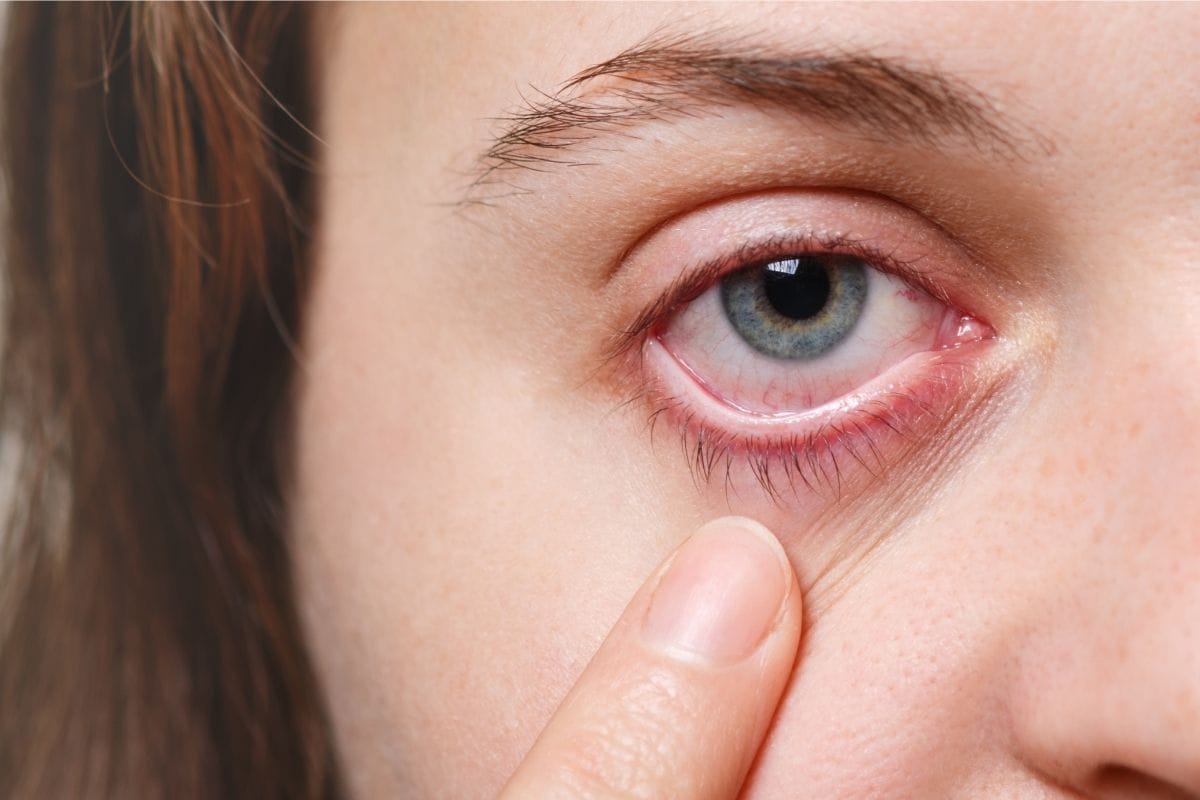
Sudden onset of redness in the eyes, severe watering and a stinging sensation as if sand had gotten into the eyes can seriously affect daily life. Adenoviral conjunctivitis, popularly known as "eye flu" or "eye flu", is a very common viral infection.
What is Adenoviral Conjunctivitis?
Adenoviral conjunctivitis; It is an inflammatory condition that occurs when viruses belonging to the adenovirus family infect the white layer of the eye (sclera) and the transparent membrane covering the inner surface of the eyelids (conjunctiva). This condition, which usually accompanies upper respiratory tract infections, is highly contagious and does not respond to antibiotic treatment.
Adenoviruses are highly resistant to the external environment; They can survive on door handles, towels or surfaces for a long time. The disease usually starts in one eye, but due to the high contagiousness of the virus, it can spread to the other eye within a few days.
What are the symptoms of Adenoviral Conjunctivitis?
- Intense redness in the whites of the eyes and lids
- excessive watering
- Stinging and foreign body sensation
- Sensitivity to light (photophobia)
- Stickiness in eyelashes in the morning
- Painful swelling in the lymph nodes in front of the ear (preauricular lymphadenopathy)
Pre-ear lymph node swelling is the most important clue that distinguishes viral conjunctivitis from bacterial or allergic types. If eye redness is accompanied by tenderness in front of the ear, it is very likely that the condition is adenoviral.
How is Adenoviral Conjunctivitis Transmitted?
- Contacting touched surfaces (door handle, keyboard, phone) after contact with the eyes of an infected person
- Using shared towels or pillowcases
- Droplets released into the air from coughing or sneezing
- Using common make-up products
How to Treat Adenoviral Conjunctivitis?
For adenoviral infections, there is no specific medication that directly kills the virus. The main goal of treatment is to relieve the patient's complaints and prevent the development of secondary bacterial infections.
- Artificial Tears: Preservative-free drops to reduce eye stinging and dryness
- Cold Application: Applying a cold compress to the eyelids with a clean cloth relieves edema and itching.
- Corticosteroid Drops: If staining occurs in the corneal layer, the ophthalmologist can start it under control (should not be used without doctor supervision)
When Does Adenoviral Conjunctivitis Go Away?
The illness usually lasts between 2 and 3 weeks (14-21 days). The first 5-7 days are the period when the symptoms are most severe. Starting from the second week, the body's immune system begins to suppress the virus and the healing process accelerates. However, if staining occurs on the cornea, full recovery may take months.
What Should Be Done to Protect?
- Wash hands frequently with soap for at least 20 seconds
- Avoid touching the face and eyes with hands
- Discontinue contact lens use until the infection is completely gone
- Throw away old eye makeup and use new ones
- Do not share eye drops with anyone
Frequently Asked Questions
Can adenoviral conjunctivitis be cured with antibiotics?
No. Antibiotic drops have no effect on the virus. Treatment; It consists of artificial tears, cold compresses and, if necessary, corticosteroid drops.
How long does it take to pass?
The illness usually lasts 14-21 days. The first week is the most severe period, and recovery begins from the second week.
When should I consult a doctor?
If visual acuity decreases, severe photophobia or severe pain occurs, an ophthalmologist should be consulted without delay.
When can I go to work or school?
The patient is considered contagious until the redness and watering in the eye disappears completely. A report is recommended as long as symptoms persist.